If you're looking into window tinting for the first time, you're probably drowning in a sea of confusing acronyms. VLT, TSER, Nano-Ceramic, Carbon, Metallized... it's enough to make anyone's head spin. What actually matters, and what is just marketing fluff?
We believe that an educated customer makes the best decisions. This complete guide will demystify the world of window tint so you know exactly what you are paying for.
Decoding the Percentages (VLT)
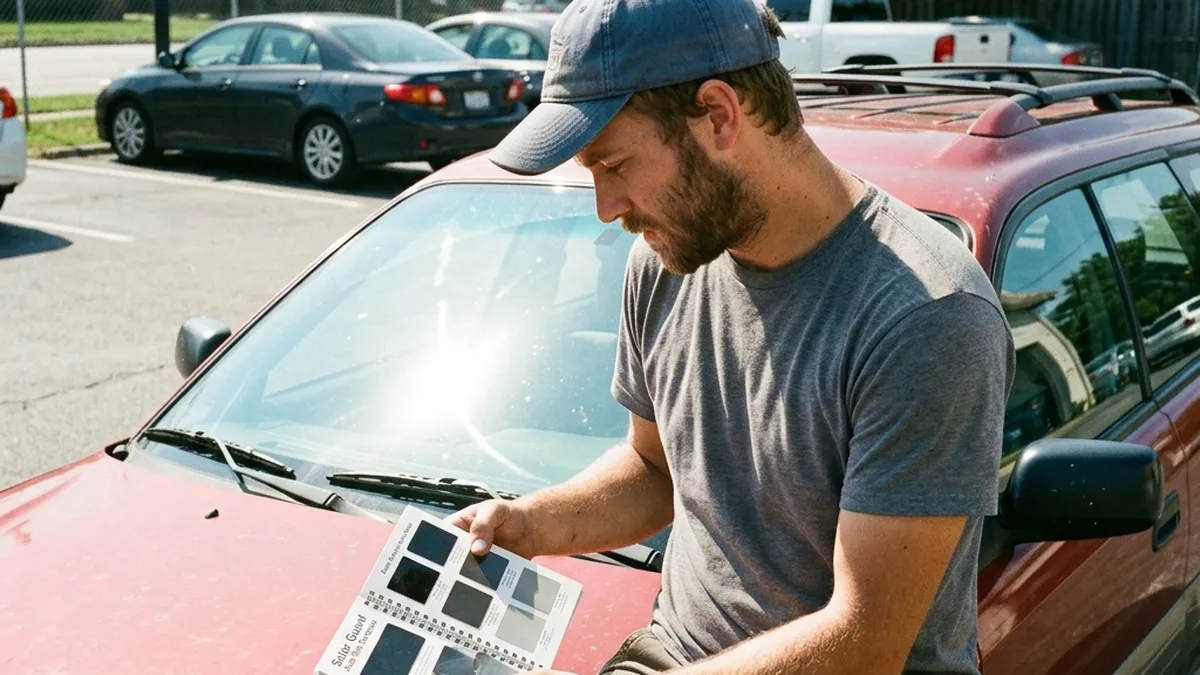
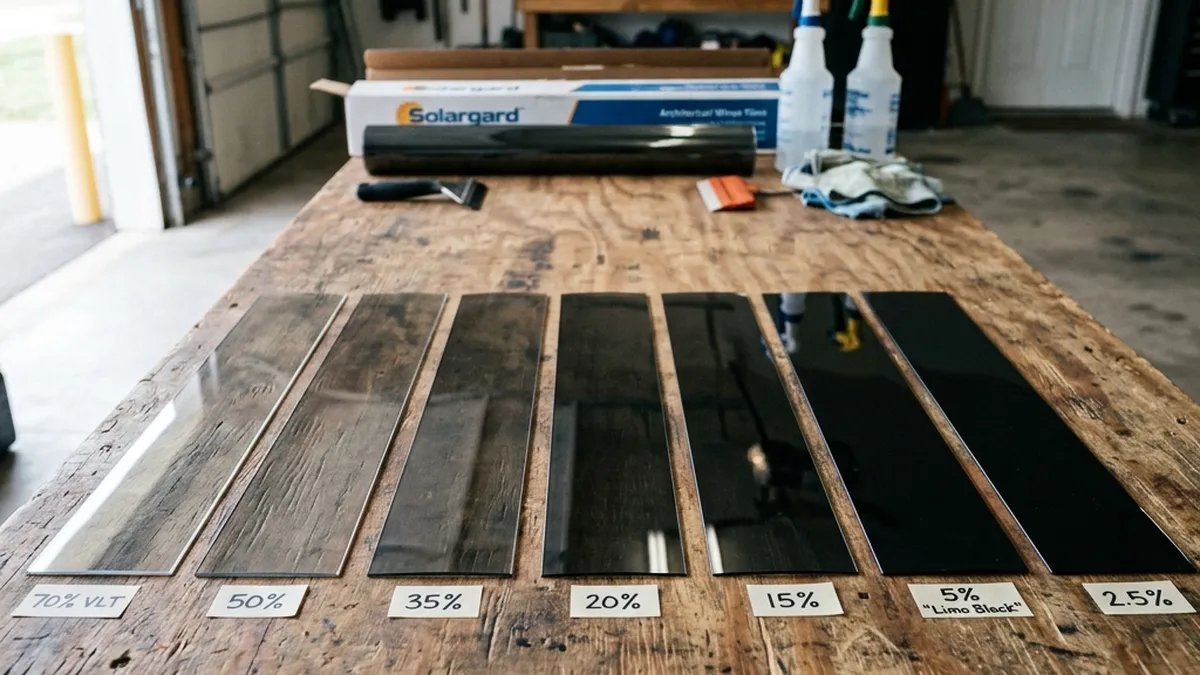
The most common question we get is, "How dark should I go?" The darkness of a film is measured in VLT (Visible Light Transmission). A 5% film (often called "limo tint") only lets 5% of the light through, making it incredibly dark. A 50% film lets half the light through, appearing as a light smoke color.
In California, it is completely legal to tint your rear windows and rear windshield as dark as you want (even 5%). However, the front driver and passenger windows have strict legal limits. Always consult with a professional window tinting shop to ensure your vehicle remains street legal while achieving the look you desire.
Material Matters: Dyed vs. Ceramic
Not all film is created equal. The cheapest option is "Dyed" film. It absorbs heat and eventually fades. If you want true performance, you must upgrade to "Ceramic" film.
Ceramic window tint uses microscopic, non-conductive particles to reflect infrared heat away from the glass. It won't interfere with your cell phone or GPS signals, and it won't fade over time. It is the absolute pinnacle of automotive window film technology. If a shop isn't offering ceramic, you should take your business elsewhere.